

A Different Level of Support at Home
Why I Started Aging Advisors of the Carolinas
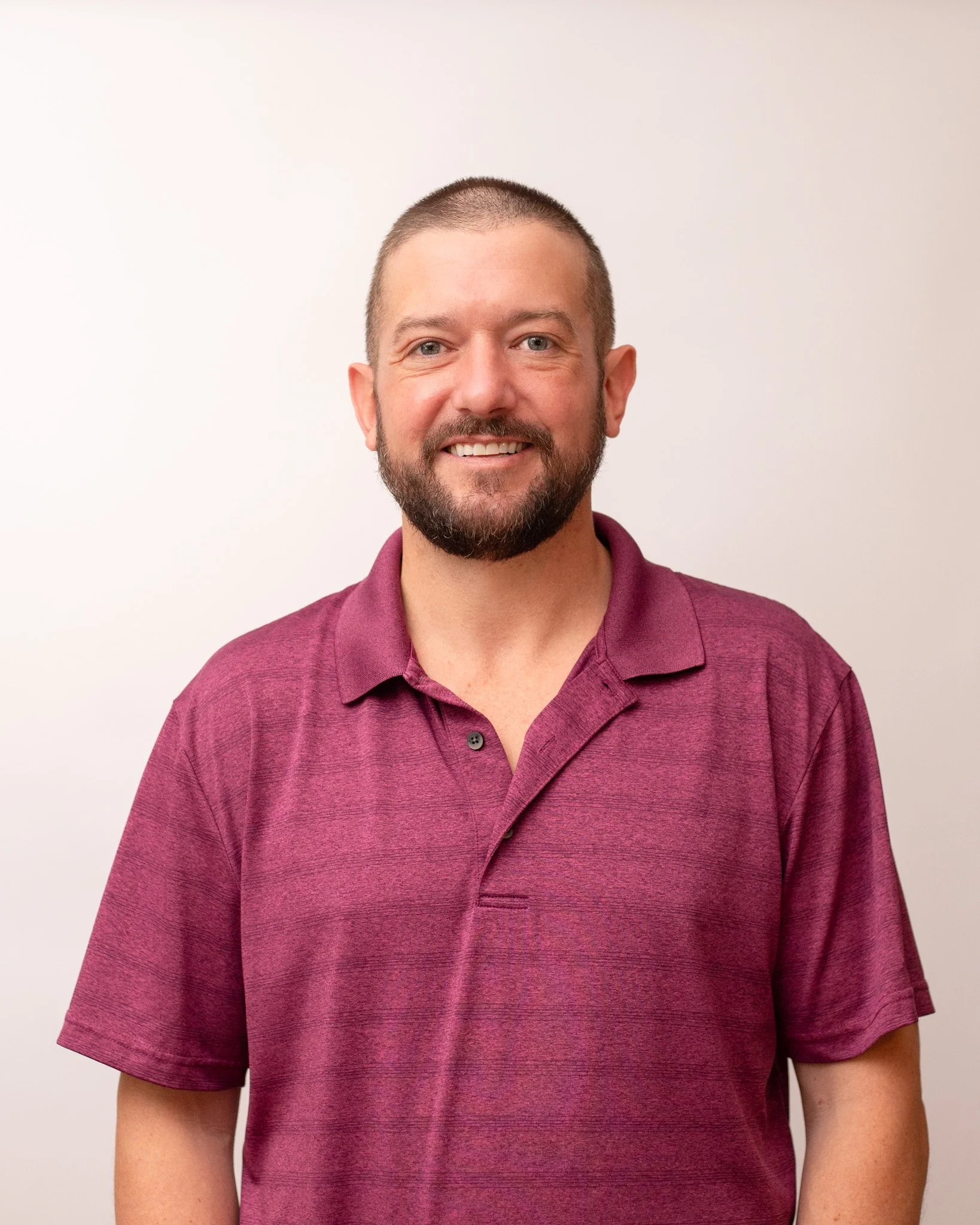
My name is Nick Brand. I’ve been an occupational therapist for more than 15 years. My speciality is working with elderly patients, especially those with dementia and Parkinson’s.
Over that time, I saw a consistent pattern: A diagnosis is made. Providers then ask families to make complex decisions about their aging loved ones with limited time and guidance in a system they don’t understand well.
Questions often arise about where to turn for support:
How to coordinate care?
Who to contact for in-home assessments?
How to navigate financial and insurance decisions?
How to plan for evolving care needs?
This is the point where families realize they’re not just managing a diagnosis—they’re navigating an entire care system.
And, this is where my extensive clinical experience across home health, short-term rehab, assisted living, and outpatient therapy becomes practical guidance for support at home.
For example, in the later stages of dementia, a person’s eyesight changes. This includes their depth perception and visual scanning. These changes really impact how they interpret their environment. And, it should change how caregivers should approach interaction, positioning and movement within the home.
Without this understanding, well-intentioned care can increase confusion, resistance or safety risk. With it, families are able to adjust their approach in a way that supports safety and dignity.
This type of translation—connecting clinical knowledge to real-life application—is often missing in traditional care models, yet is essential for families and caregivers navigating aging at home.
Ready to Connect?
Every situation is unique, and the right support starts with understanding your story. Use the form to share a bit about your needs and I’ll respond directly to help you determine the best next step.